[Orig to FB]
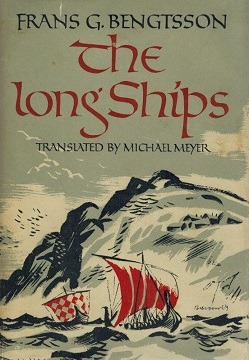
I’ve been reading Frans Bengtsson’s book The Long Ships, which is (a) a novelization of Snorri Sturluson’s Norwegian sagas, (b) one of the bases of the 2013 TV series Vikings, and (c) is legit one of the most delightful books I’ve read in a long time, if you can overlook the jaw-dropping levels of casual violence. I only know bits and pieces of the historical backdrop; but when it comes to the one area I really do know well — the complex dynamics surrounding the rise of millenarianism[1] around the turn of the millennium — it’s astounding how well Bengtsson incorporated that material. There’s so much to love about the novel, but the thing that stands out as really refreshing these days is how fluidly Bengtsson’s disposes of interiority. There just isn’t any. That’s not to say the characters don’t have personalities, histories, feelings, quirks, and all the rest — they do in spades. But the way Bengtsson depicts them is entirely external. In our world, which is consumed by interiority, anyone who lacks it is either a psychopath or a clown — and that dilemma exactly captures how and why this book inconceivably bloody and hilariously at the same time. Viz.:
When they were ready to proceed, Faste came to bid them farewell and begged Orm to take with him his scribe, who was going to Kiev with a basket of heads. The great Prince, he explained, liked to be reminded that his town chieftains served him zealously, and was always pleased to receive evidence of their zeal in the shape of the heads of the more dangerous criminals. Lately it had become difficult to ensure a safe passage to Kiev, and he was reluctant to neglect so good an opportunity as this of sending his gift. The scribe was a young man, a native of Kiev; besides the heads, he carried a sheepskin on which were written the names of the former owners of the heads, together with an account of their misdeeds.
In view of the hospitality that Faste had shown him, Orm felt unable to deny him this request, though he was unwilling to comply with it. The heads awoke unpleasant memories in him, for he had received a present in that shape once before; he recalled, also, that his own head had been sold to King Sven, though the transaction had never been completed. Accordingly he regarded this basket as likely to bring bad luck with it, and all his men thought the same. It was, besides, noticeable in the summer heat that the heads were beginning to age, and before they had gone far the men began to complain of their stink. The scribe sat by his basket as though smelling nothing; he understood the Northmen’s tongue, however, and after a while suggested that the basket should be tied to a rope and allowed to trail in the water. This proposal won general approval; so the basket was tied firmly to a rope’s end and heaved overboard. They had, by this time, set sail again and were making good speed; and later that day Blackhair cried that the basket had detached itself and disappeared.
“The best course for you now, scribe,” said Toke, “is to jump overboard and fish for your treasure; for if you arrive without it, I fear things may go somewhat ill for you.”
The scribe, though vexed at this occurrence, appeared not to be greatly alarmed by it. The sheepskin, he explained, was more important than the heads; as long as he still had the former, he could manage without the latter. There were only nine of them, and he doubted not that he would be able to borrow substitutes from public officials in Kiev with whom he was friendly; for there were always plenty of malefactors in their custody awaiting execution.
“We are taught to be merciful, after the example of God,” he said, “and therefore think it good to help one another when we are in distress. And one head is as good as another.”